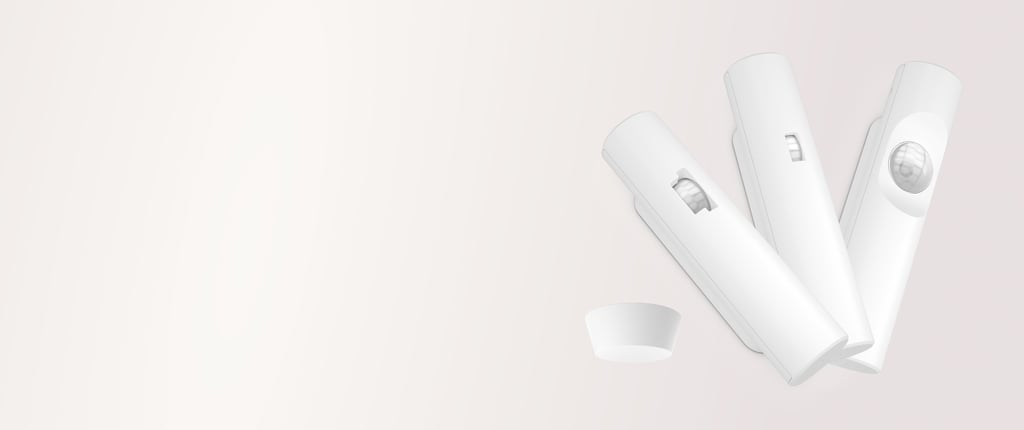
Poor indoor climates at an office are a drag on anyone’s focus and comfort. And in the era of hybrid working, companies can’t afford to drive employees away from their office buildings. Today, there’s an easy way to optimize indoor climates to attract people to the office and boost occupancy. Here’s the new approach.
Office air quality impacts occupancy rates –
Indoor environment sensors tell you how
Is your office air driving people away?
The data points that matter the most to improving the indoor climate of your offices include:
- Temperature
- Humidity
- CO2
- Light levels
- Sound levels
- Volatile organic compounds (VOC)
- Radon
IEQ sensors play a key role in creating healthier, more comfortable workplaces. By tracking critical factors like air quality, temperature, humidity, lighting, and noise, they help companies optimize the indoor environment—supporting both well-being and productivity.
Unlock a healthier indoor climate with smart sensors
Once you have installed your indoor climate sensors or air quality monitors, and collected your data, you’re halfway there. But to make a real difference and turn your office into a more pleasant and productive place, you must also understand and apply your indoor climate metrics. Here are three ideas.
How to track and improve office indoor climat
Indoor environmental quality (IEQ) sensors
What IEQ Sensors Monitor:
- Air Quality: Levels of CO₂, fine particles (PM2.5/PM10), VOCs, and other airborne contaminants.
- Thermal Comfort: Indoor temperature and humidity conditions.
- Lighting: Intensity, glare control, and natural daylight presence.
- Sound environment: Overall noise and acoustic comfort.
- Extra metrics: Advanced models may also capture data on ergonomics, electromagnetic exposure, and water quality.
Indoor air quality (IAQ) sensors
Examples of what IAQ sensors monitor:
- CO₂ monitoring – Detects rising carbon dioxide levels, signaling when ventilation needs improvement.
- Particulate Matter Tracking – Identifies harmful fine dust (PM2.5/PM10) that can impact respiratory health.
- VOC detection – Monitors chemical emissions from furniture, cleaning agents, or office equipment.
- Temperature & Humidity Control – Ensures thermal comfort and prevents conditions that encourage mold growth.
- Actionable insights – Provides real-time data to adjust HVAC performance and maintain a healthier environment.
Use your climate metrics. Boost office occupancy
Analyze: Identify trends and spot patterns in your office climate
Empower: Helping employees make better workday choices
Sharing real-time office climate data with employees can give them more power over their day. An employee might prefer certain environments to work in most. If they have immediate access to information about the climate in different workspaces, they can make the right choice and opt for the most suitable one. For instance, they can book a meeting room with the best air quality for their next meeting.